Google X

Google X

Duration

Jun 2024 - Now

Company

X, the moonshot factory (formerly Google X)

Role

UX designer

Description
I led design across two AI-driven platforms under Tapestry: Grid Planning Tool, which powers large-scale, long-term grid simulations at hourly resolution, and HyperQ (Interconnection Application Review Tool), which streamlines how generator and data center applications get reviewed.

‍

Beyond shipping product features, I defined the UX and visual design standards used across both tools — establishing a consistent design language that improved usability and strengthened our enterprise brand.
‍
Some details in these case studies have been simplified due to confidentiality — feel free to reach out for a more in-depth walkthrough or the full portfolio deck.

‍

Background

The electric grid was built more than a century ago as a one-way system — electricity flowing from fossil-fueled power plants to homes and cities. Today it looks more like a multidirectional superhighway, with millions of devices, from solar panels to EVs, pushing and pulling energy across it at once. Yet no one has a complete, real-time picture of how the grid actually works — that information is siloed across dozens of organizations.

‍

‍

Tapestry is X's moonshot for the electric grid. Our mission is to make the grid visible to everyone who plans, builds, and operates it — so it can become greener, fairer, and more reliable for everyone who depends on it.

‍

‍

‍

I worked closely with engineers, product managers, and grid planners across two products under Tapestry — grounding every design decision in user research and usage data to make a highly technical domain approachable.

‍

‍

Planning Tool

Grid Planning Tool lets grid operators simulate how the network will perform under different scenarios, years or even decades out, so they can assess reliability before committing to costly infrastructure changes. I designed the core project and asset management flow, and reworked the underlying information architecture — reorganizing data around individual assets rather than individual changes — which reduced cognitive load as studies grew more complex.

‍

‍

Add project & add asset

‍

‍

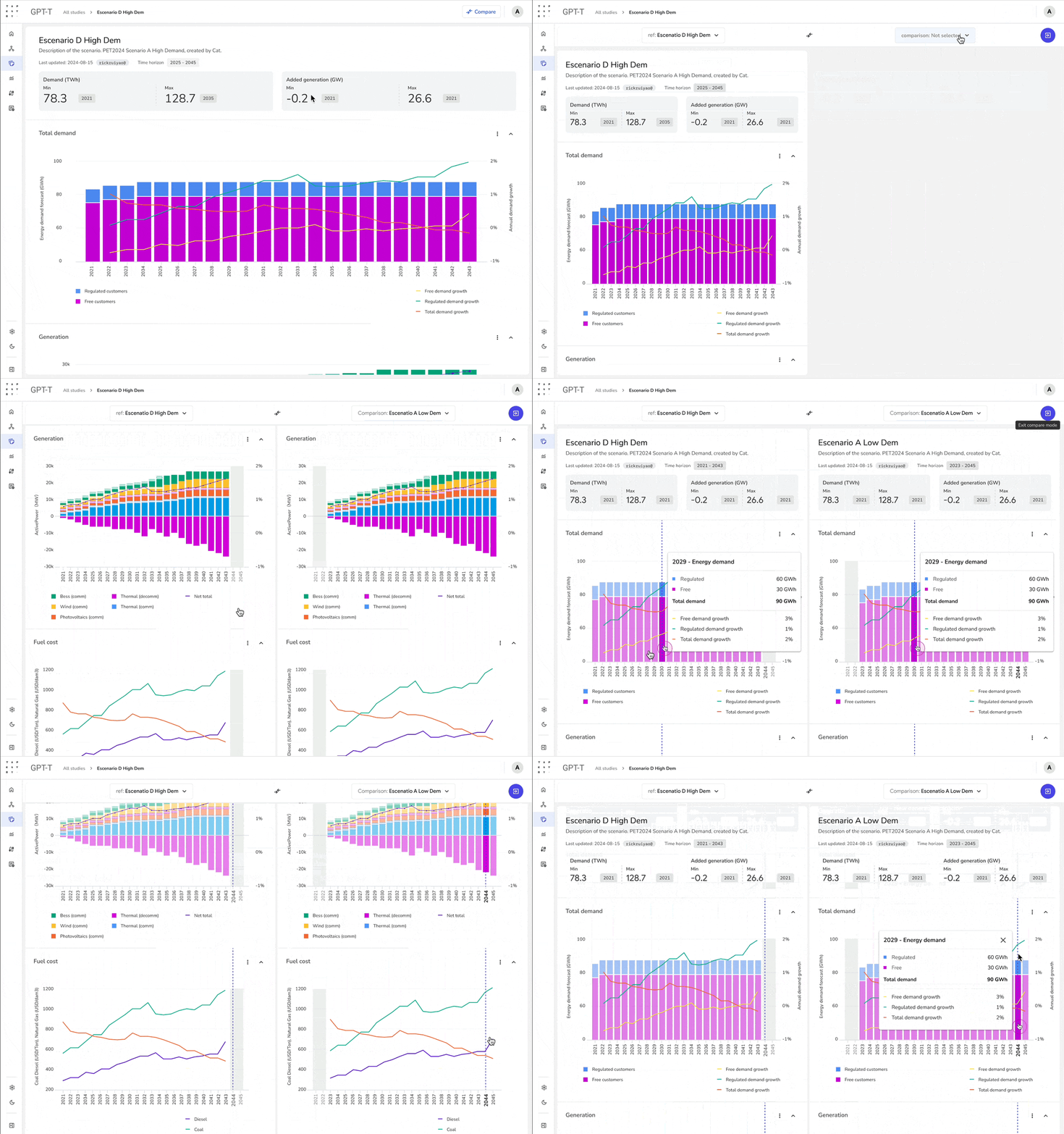
I've also developed features that offer powerful data visualization to help users analyze and compare simulation results, gaining deeper insights into model performance.

‍

Simulation result overview

‍

‍

Data visualization and comparison
‍
‍
‍

‍

Application Review Tool

HyperQ helps reviewers work through the stack of documents behind a single interconnection application — surfacing what's compliant, what's missing, and how a site's approved acreage maps to the physical land, instead of leaving reviewers to piece it together manually. I redesigned how compliance data is scored and visualized, replacing dense number tables with clearer, more scannable summaries.

‍

‍

Design system

To solidify our visual identity, I standardized essential design elements, especially the color scheme for actions and data visualizations, which give our products a distinct and recognizable style.

‍

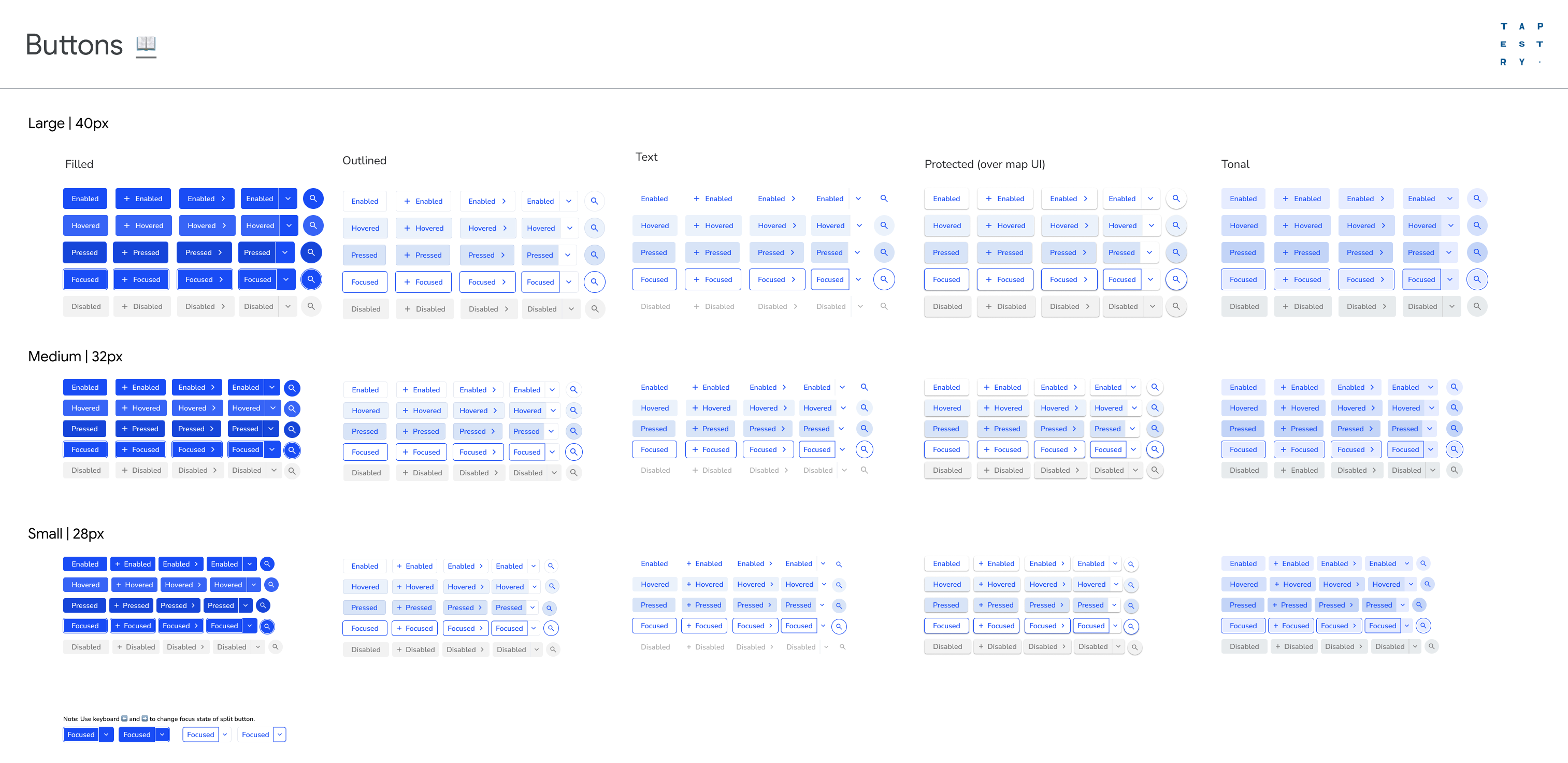
Additionally, I developed a comprehensive component library of reusable UI elements—such as buttons, chips, text fields, and search bars—as well as essential design patterns like modals, popups, and tables. This library ensures a consistent look, feel, and accessibility across all products, reinforcing usability and maintaining a high standard of functionality throughout.

‍

‍

‍

Color usage guideline

‍

One of the key components I created

‍

Takeaways

Influence is a core skill

Design recommendations don't sell themselves — earning trust took relationship-building and data-backed arguments, not just strong visuals. Influencing without formal authority mattered as much as design skill itself.

‍

Designing for Trust and Explainability

Using AI to stress-test designs against edge cases taught me that surfacing the system's reasoning — not hiding it — is what actually builds user trust in a "black box."

‍

The AI-Native "Intent Translator"

Making AI part of my daily workflow let me act as the bridge — translating dense technical constraints into intuitive UX, and user needs into engineering parameters.

Other PROJECT